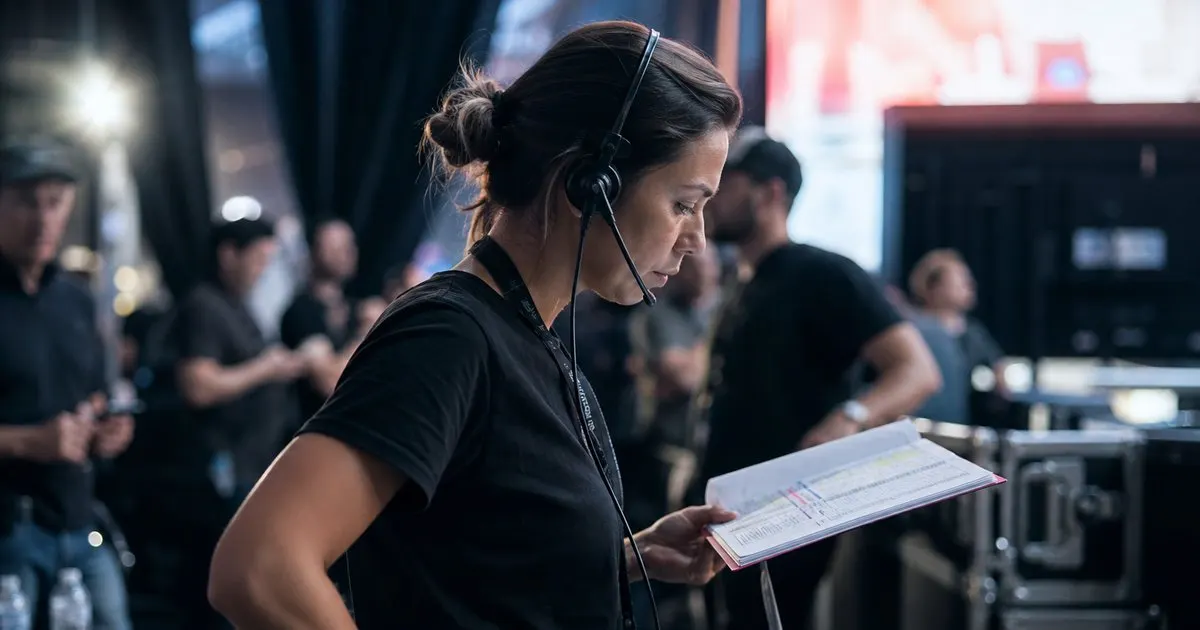
Event Production
How do event planners build a minute-by-minute run of show that actually keeps the day on schedule?
Turning a rough plan into a timeline detailed enough to run a real event moment by moment.
Practical, honest advice from the team behind GigTimelinr, written to help you do this well.
Turning a rough plan into a timeline detailed enough to run a real event moment by moment.
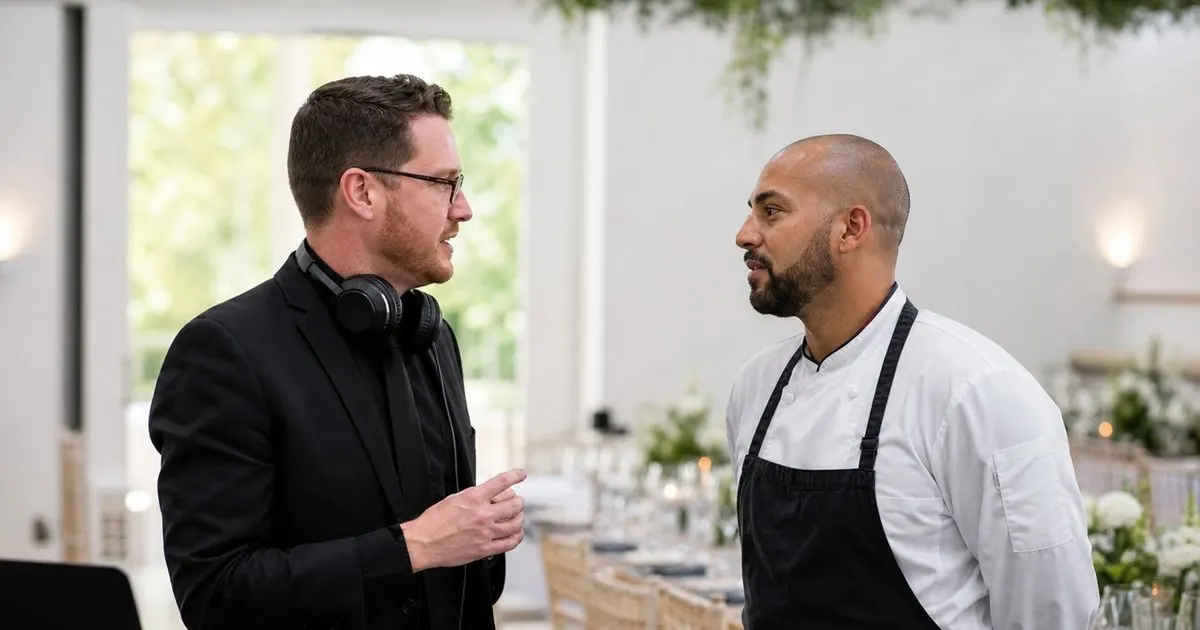
Giving all vendors one shared, current timeline so the DJ, caterer, and photographer stay in sync.
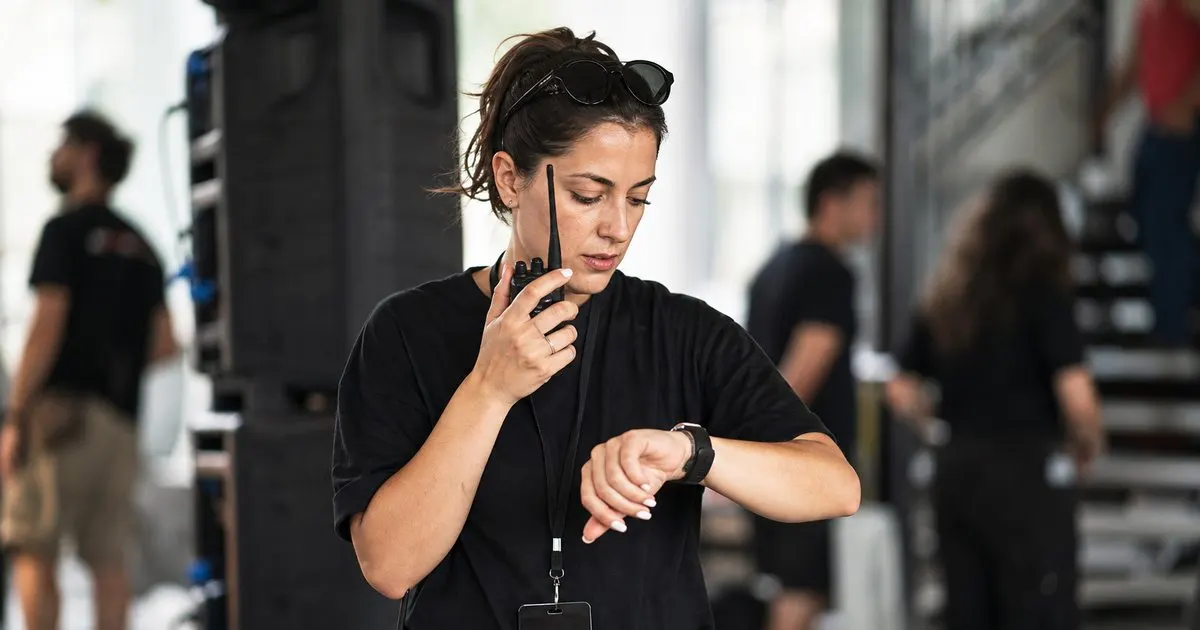
Shifting the run of show mid event so a late moment does not throw the rest of the day into chaos.

Marking who owns each cue so the day runs without anyone asking whose job the next moment is.
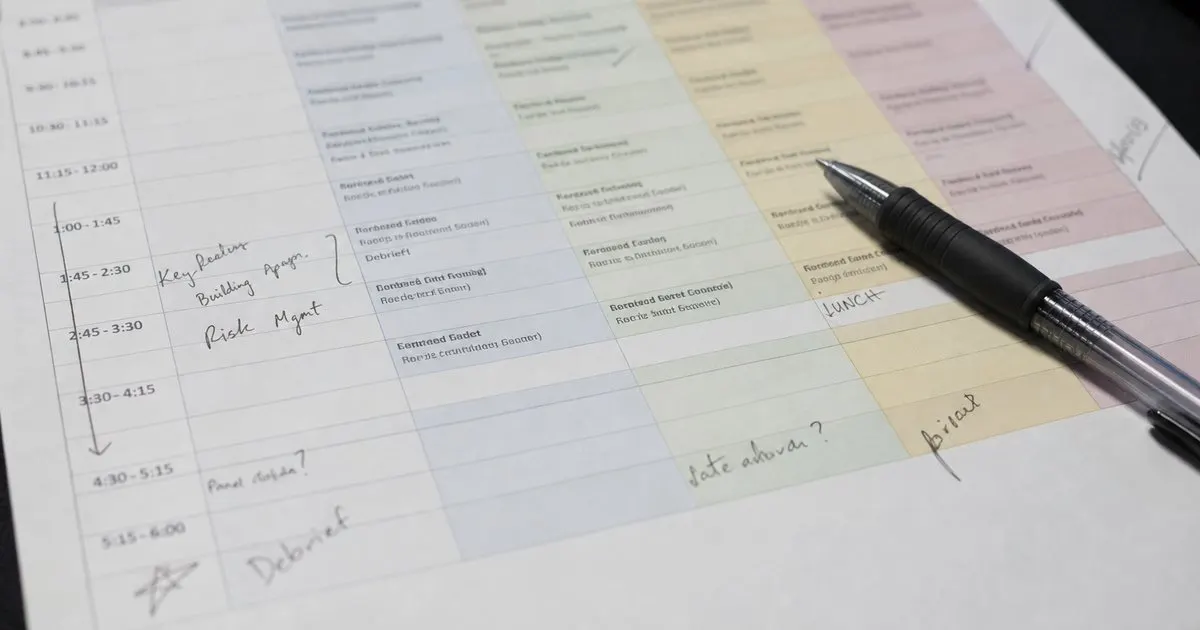
The notes that turn a bare schedule into a plan detailed enough for vendors to execute perfectly.

Starting from a structure that worked so each new event begins ahead rather than at a blank page.

Aligning a first time vendor team around one shared plan so an unfamiliar group runs like a unit.
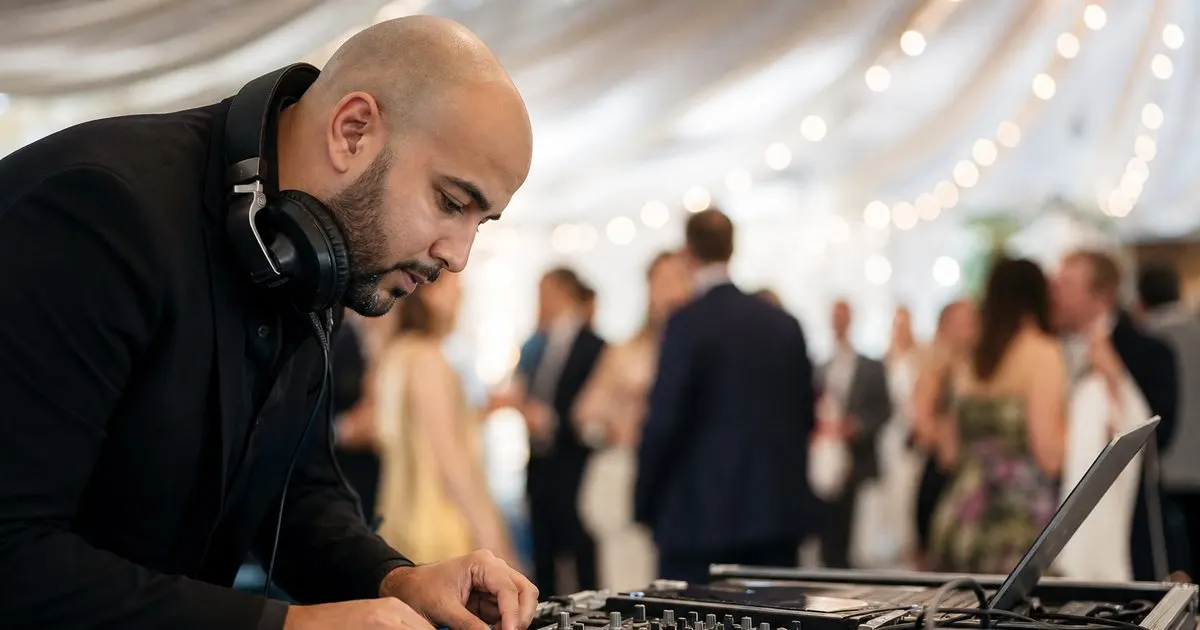
Why the person on the mic needs the whole timeline, not just their own set, to carry the room.

Where minute by minute planning helps a multi session conference, and where its needs differ.

Padding every line by five minutes does not make a timeline safer. Here is where buffer actually belongs, how much to add, and how to keep it from being eaten before the event even starts.

Every change after a certain point costs more than it is worth. Here is how to set a lock date, what still gets through after it, and how to say no without damaging the client relationship.
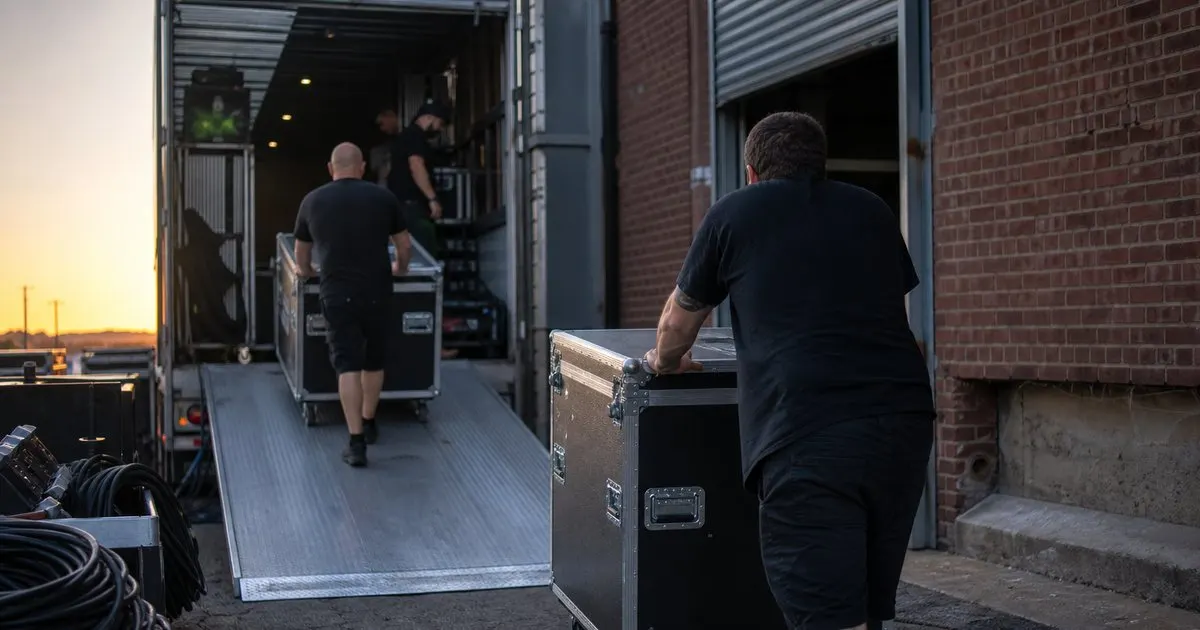
Setup and teardown are where most vendor collisions happen, yet they are often left off the timeline entirely. Here is how to fold load-in and strike into one document without overwhelming the people who only need the middle.

The photographer's needs are the one part of a wedding timeline set by the sun rather than the client. Here is how to anchor the day to the light and fit everything else around it.
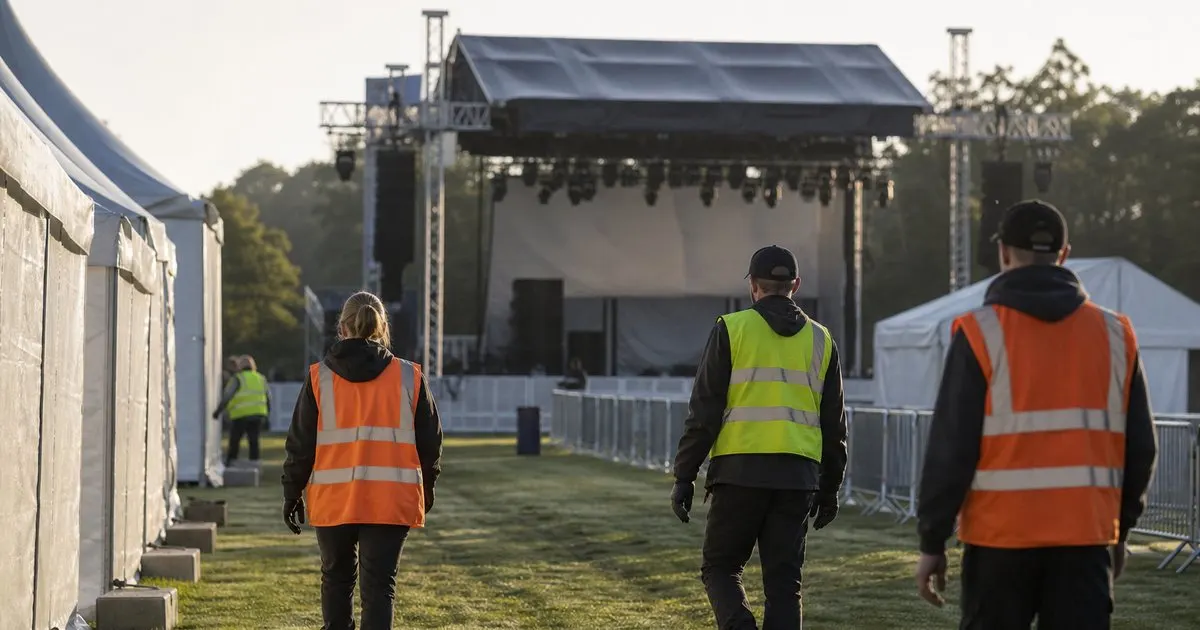
A three-day event is not one long timeline. It is a set of linked days with shared resources, overnight resets, and crews that need to sleep. Here is how to structure the document so it stays usable.
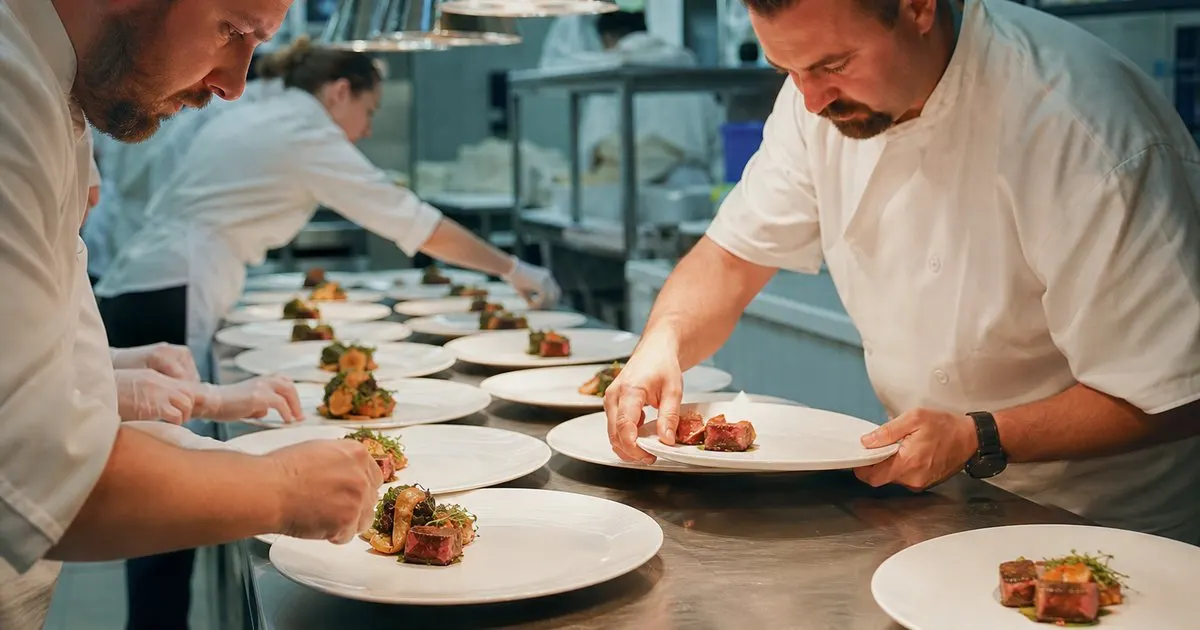
The kitchen works to fire times and the program works to moments, and the two rarely agree on the first draft. Here is how to reconcile them so food arrives hot and the toasts still happen.
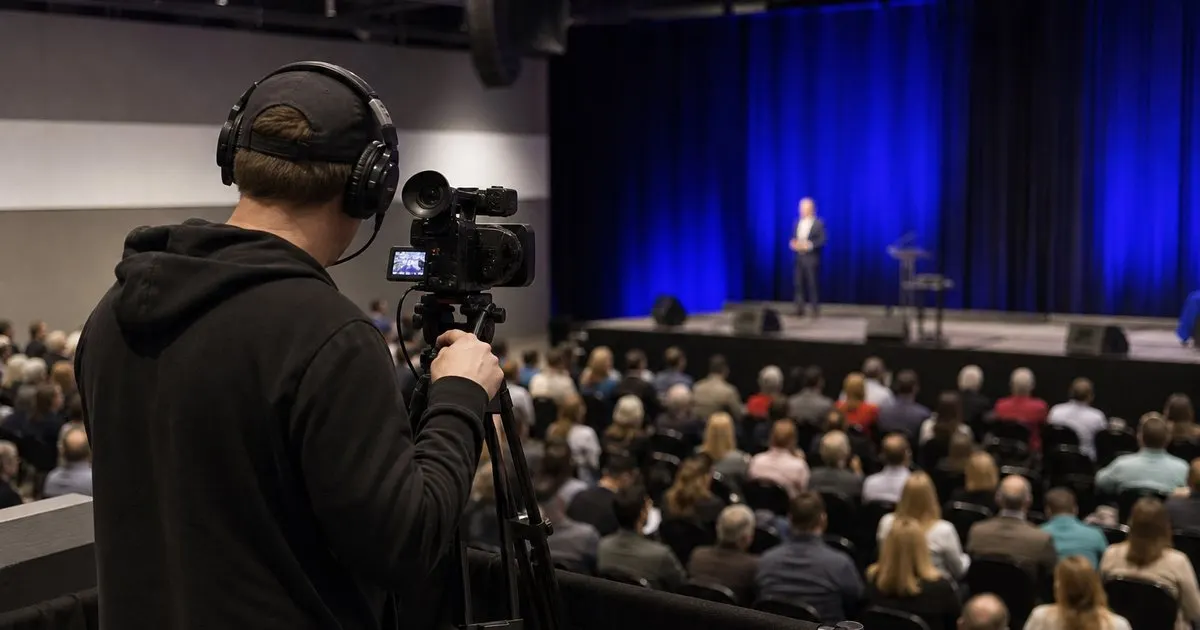
The room can tolerate a five-minute gap. The stream cannot. Here is what changes in a run of show when part of your audience is watching through a camera.

The timeline you planned and the timeline that happened are two different documents. Comparing them within a week is the cheapest way to make the next event better.
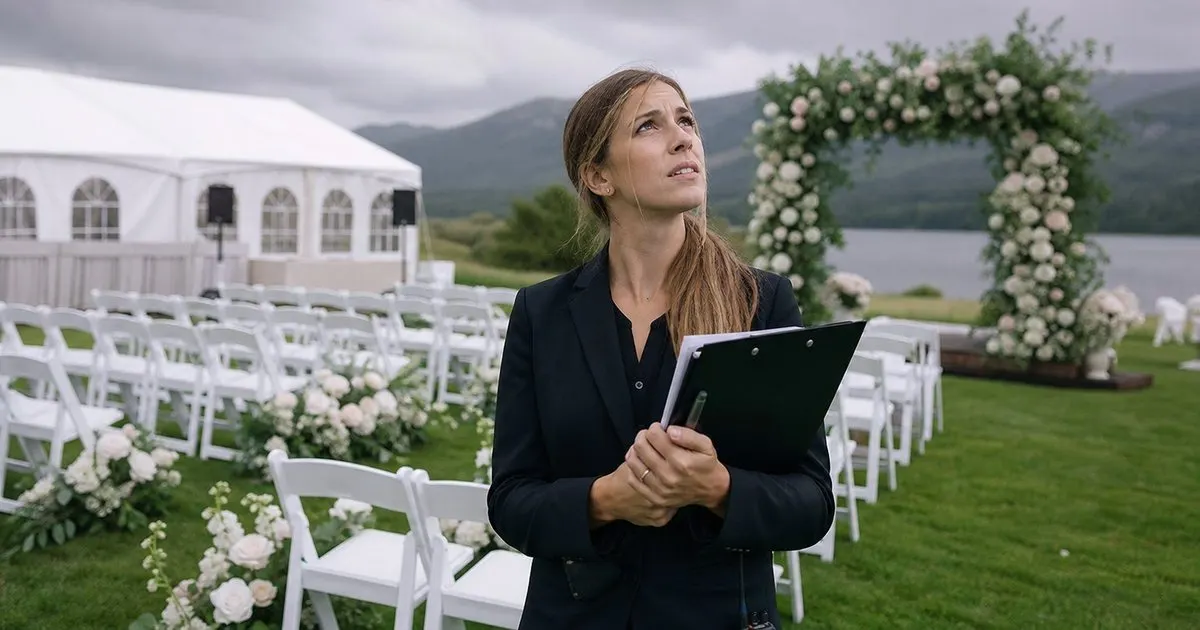
A rain plan that lives in a separate document is a plan nobody will find at 2:00 pm with clouds building. Here is how to write the weather call and the alternate sequence into the timeline itself.
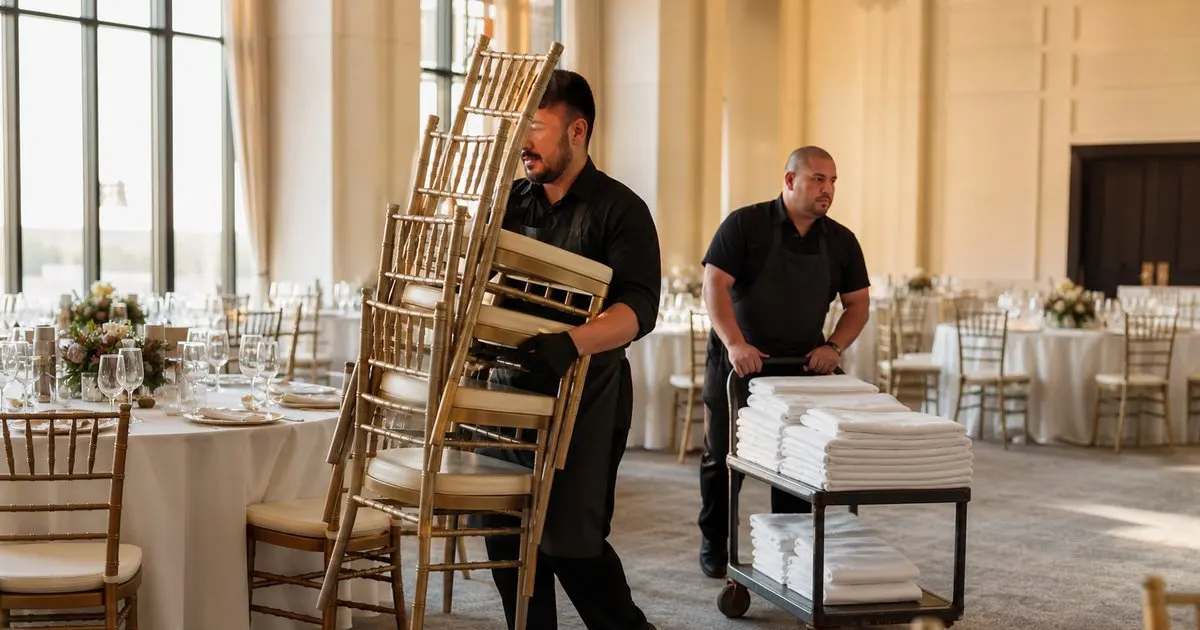
A room flip is real production work that takes real minutes, but most timelines hide it inside a vague gap called cocktail hour. Here is how to time it, staff it, and keep guests occupied while the room changes around them.
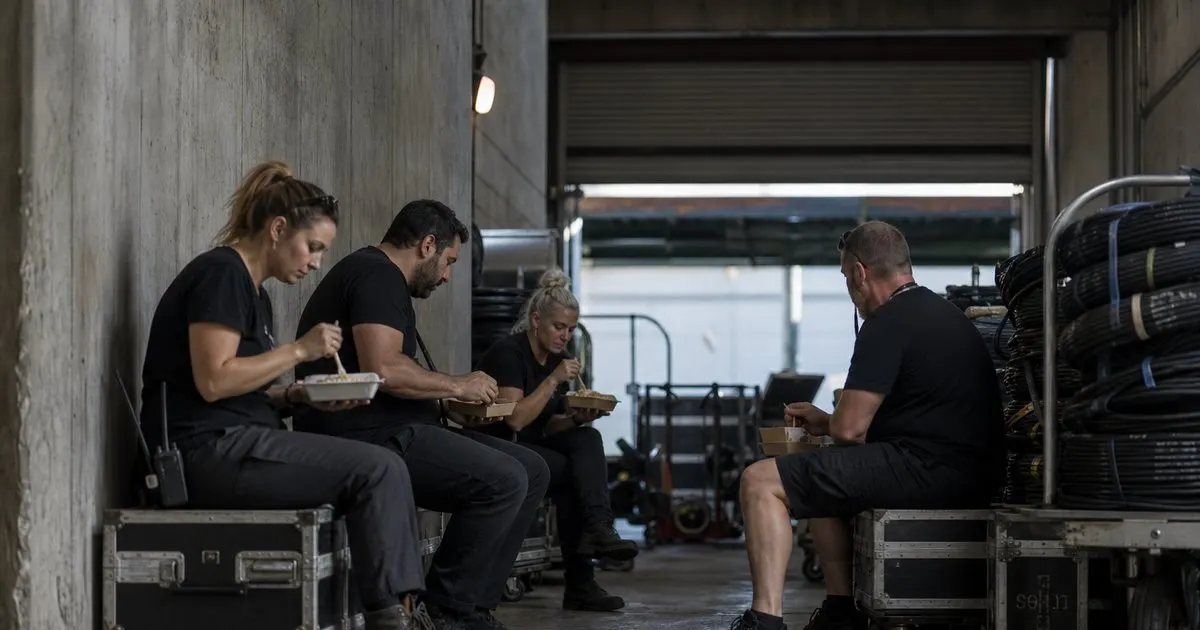
Crew hours are the part of the timeline that planners leave in their heads, and it is where long days quietly fall apart. Writing meals, shift changes, and handoffs onto the same document as the program is what keeps hour twelve as sharp as hour two.