Why should every moment in an event run of show have a clearly assigned owner responsible for it?
Marking who owns each cue so the day runs without anyone asking whose job the next moment is.
Assigning one owner to each moment removes the pause where everyone assumes someone else has it. The named person knows their cue is coming and acts without prompting, which turns visible gaps into smooth handoffs and lets the coordinator manage by exception rather than chasing every single detail.
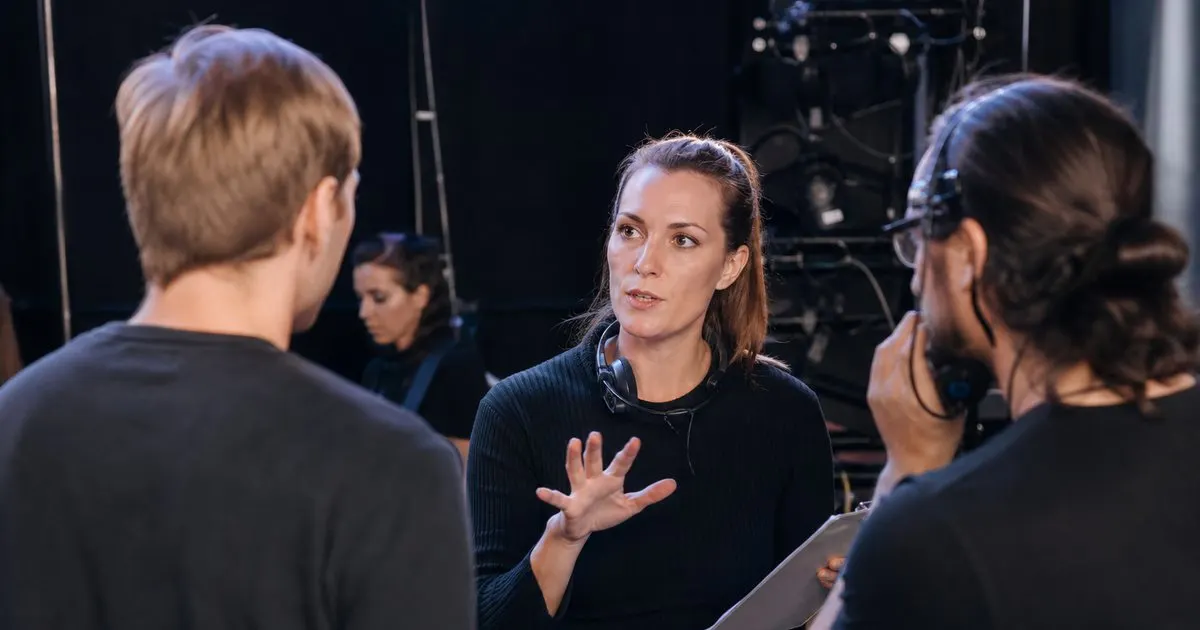
Unclear ownership causes gaps
When a moment has no clear owner, everyone assumes someone else has it, and the cue arrives with nobody ready to make it happen.
Those gaps, the introduction nobody makes or the music that does not start, are the visible failures guests actually notice.
Keep reading: How do event planners build a minute-by-minute run of show that actually keeps the day on schedule?, How can a planner share the event day timeline with every vendor so nobody works from an old version?, What is the best way to adjust an event timeline on the fly when the day is running late?. See how GigTimelinr helps you event day-of run-of-show timeline builder.
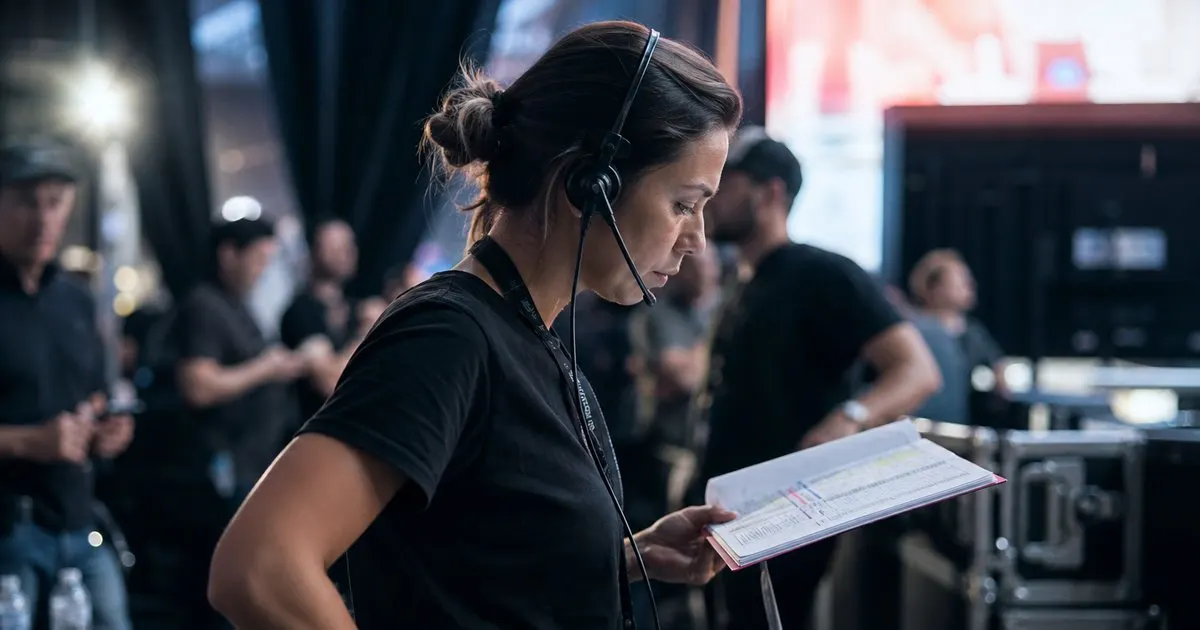
One owner per moment
Assigning a clear owner to each block means every cue has a specific person responsible for making it happen on time.
There is no ambiguity about whose job it is, so the day flows without the pauses that come from confused responsibility.
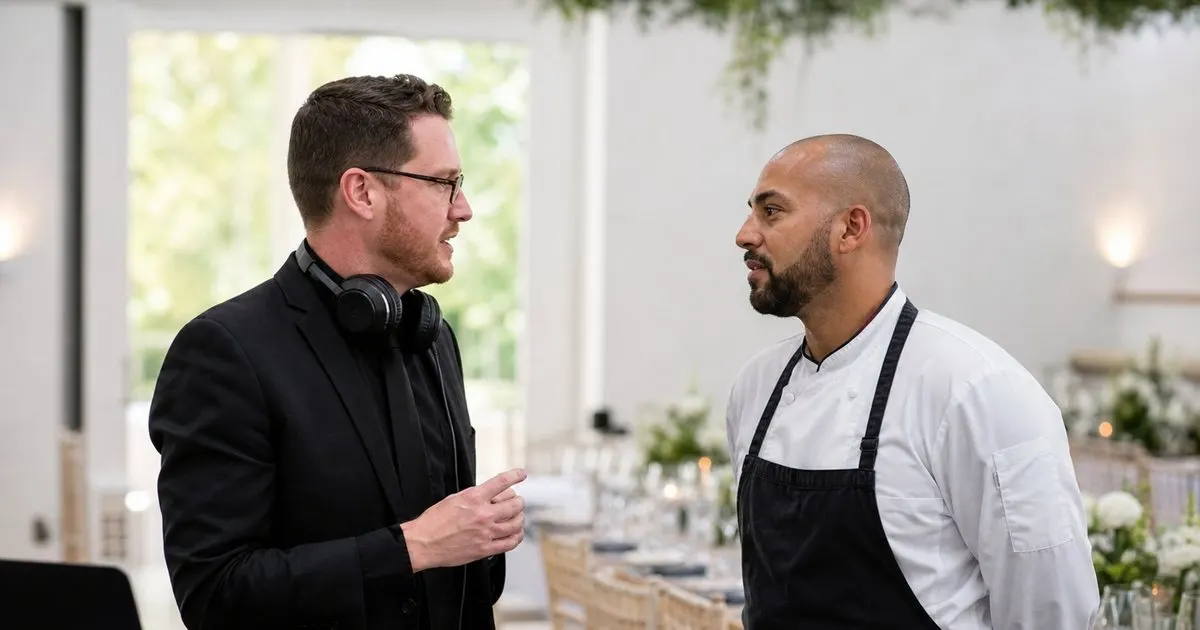
Vendors know their cues
When ownership is marked on the shared timeline, each vendor sees exactly which moments are theirs and when they arrive. Related: How can a planner share the event day timeline with every vendor so nobody works from an old version?
The DJ knows their cues, the caterer knows theirs, and nobody has to ask, because the plan already answers the question.
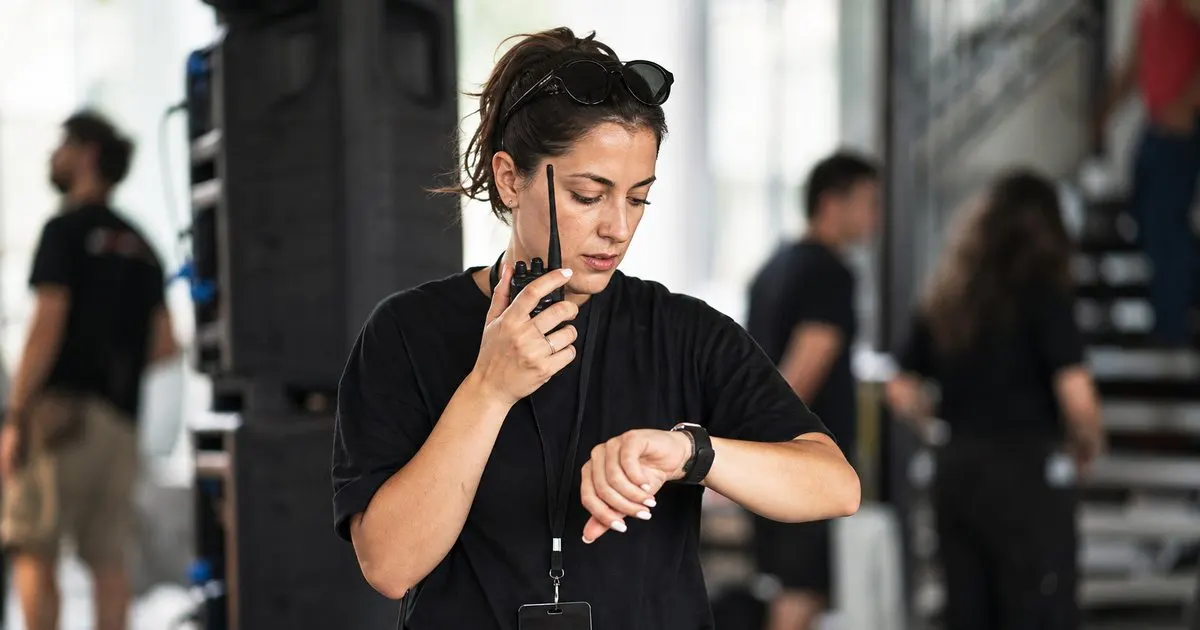
Accountability without micromanaging
Clear ownership lets a coordinator run the day by exception, checking in only where needed rather than driving every single moment.
That trust, built on everyone knowing their role, is what lets a complex event run smoothly without the planner touching every cue. Related: Can event planners reuse a proven timeline template instead of building every run of show from scratch?
- Unclear ownership creates the visible failures
- One owner per moment removes ambiguity
- Marked ownership tells vendors their cues
- Clear roles let coordinators run by exception

Julien Jimenez
Julien Jimenez is an independent software builder based in Paris. He designs, ships, and operates focused SaaS products for small businesses and independent professionals. Read the full author page.
Frequently asked questions
Can one person own several timeline moments?
Yes, as long as their moments do not overlap. The point is that each moment has exactly one clear owner, not that owners are spread thin across unrelated people.
How does assigning owners help without micromanaging?
When each cue already has a responsible person, the coordinator only steps in when something goes wrong. Clear ownership replaces constant supervision with quiet accountability.
A run of show that holds
Event day-of run-of-show timeline builder. GigTimelinr is built to help you put this into practice.
Build your run of showMore from the GigTimelinr blog
Get the GigTimelinr playbook
Practical guides on event production, straight to your inbox as we publish them. No spam, unsubscribe any time.