What is the best way to structure a run of show for a multi-day conference or festival?
A three-day event is not one long timeline. It is a set of linked days with shared resources, overnight resets, and crews that need to sleep. Here is how to structure the document so it stays usable.
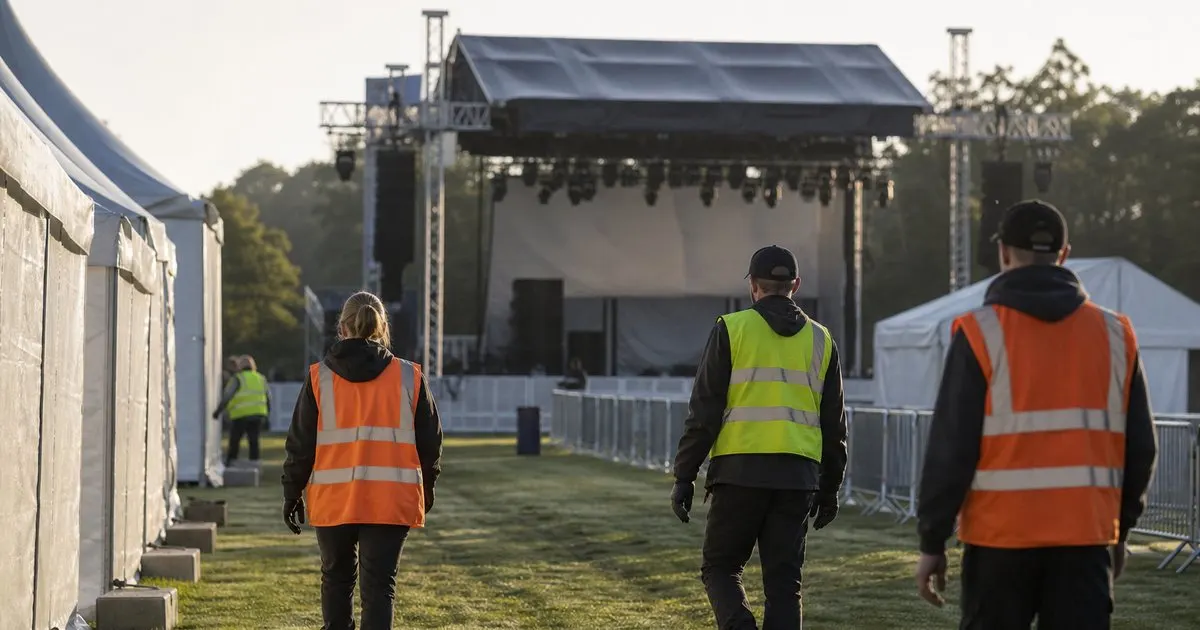
One master, one page per day, and a spine that connects them
The first instinct is to build a single enormous timeline that runs from Thursday load-in to Sunday strike. That document becomes unreadable by the second draft, and on site nobody scrolls through Friday's lines to find Saturday's 2:00 pm cue. The structure that holds up is a master with a separate day page for each event day, plus a short spine document that shows only the cross-day items: overnight security, the daily crew call, the daily venue open and close, and any equipment that moves between spaces. Related: How do event planners build a minute-by-minute run of show that actually keeps the day on schedule?
Each day page follows the same internal template so people can find things by position, not by reading: crew call and briefing at the top, doors and program in the middle, evening strike or reset at the bottom. When the format is consistent, a stage manager who has learned Friday's page can read Saturday's without re-orienting, which matters when the same person has been awake since five.
Keep reading: How do event planners build a minute-by-minute run of show that actually keeps the day on schedule?, How can a planner share the event day timeline with every vendor so nobody works from an old version?, What is the best way to adjust an event timeline on the fly when the day is running late?. See how GigTimelinr helps you event day-of run-of-show timeline builder.
Overnight resets are their own timeline
The hours between the last session and the next morning's doors are where multi-day events are won or lost. That window has to absorb cleaning, catering restock, stage changes for the next day's program, replacing signage, resetting seating counts, and often a security handover. If those tasks are not scheduled, they happen in a rush at 6:00 am, and doors open late on the day that matters most. Related: What is the best way to adjust an event timeline on the fly when the day is running late?
Treat each overnight as a mini run of show with its own start trigger (usually 'room clear') and its own hard end (usually 'crew call minus thirty'). List the tasks in dependency order, assign each one to a vendor, and be honest about crew hours; a lighting crew that struck the main stage at midnight cannot reasonably rebuild it at 5:00 am. Where the overnight work exceeds the crew's capacity, either add a second crew or simplify the reset so the next day's program uses more of the previous day's setup.
Tracking shared resources across days
A multi-day event usually has fewer things than it has uses for them. One backline package that serves two stages on alternating days. One set of pipe and drape that moves from the registration area to the gala room. One video crew that shoots the keynote at nine and the workshop at eleven. Each of those is a resource conflict waiting to happen, and none of them is visible on a day page alone.
The spine document is where those resources get tracked. For each shared item, list where it is at each point in the event and who moves it. This is often the most valuable page in the whole run of show, because it catches the moment a planner has scheduled the same crew in two rooms at once. Reviewing the spine with the production lead before the day pages are finalized will catch most of those collisions while there is still time to fix them. Related: Why should every moment in an event run of show have a clearly assigned owner responsible for it?
Daily briefings and the end-of-day update loop
A three-day run of show is never right on day one. Weather, attendance, and speaker changes will shift things, and the day two document needs to reflect what actually happened on day one. Build a fixed slot at the end of each day for a short production meeting where the leads walk the next day's page and update it, and a fixed morning briefing where the updated page is read aloud to the crew before doors.
Keep the update process disciplined: one person edits, everyone else reports. A festival where three different leads have all made changes to Saturday's page overnight will have three Saturdays. Some planners use a shared timeline tool with live updates; others print a fresh page every morning with the date and revision time at the top. Either works as long as the crew can tell at a glance that they are holding the current version. Related: How can a planner share the event day timeline with every vendor so nobody works from an old version?
- Use one master with a page per day and a spine page for cross-day items, all following the same template.
- Schedule each overnight reset as its own mini timeline with a start trigger, a hard end, and honest crew hours.
- Track shared resources (crews, backline, drape, video) on the spine page to catch double-bookings before the event.
- Hold a short end-of-day update meeting and a morning briefing so each day page reflects reality.

Julien Jimenez
Julien Jimenez is an independent software builder based in Paris. He designs, ships, and operates focused SaaS products for small businesses and independent professionals. Read the full author page.
A run of show that holds
Event day-of run-of-show timeline builder. GigTimelinr is built to help you put this into practice.
Build your run of showMore from the GigTimelinr blog

Get the GigTimelinr playbook
Practical guides on event production, straight to your inbox as we publish them. No spam, unsubscribe any time.