Why does a long event day run of show need crew meal breaks and staff shift changes written into it?
Crew hours are the part of the timeline that planners leave in their heads, and it is where long days quietly fall apart. Writing meals, shift changes, and handoffs onto the same document as the program is what keeps hour twelve as sharp as hour two.
The Hours Nobody Schedules Are the Hours That Break
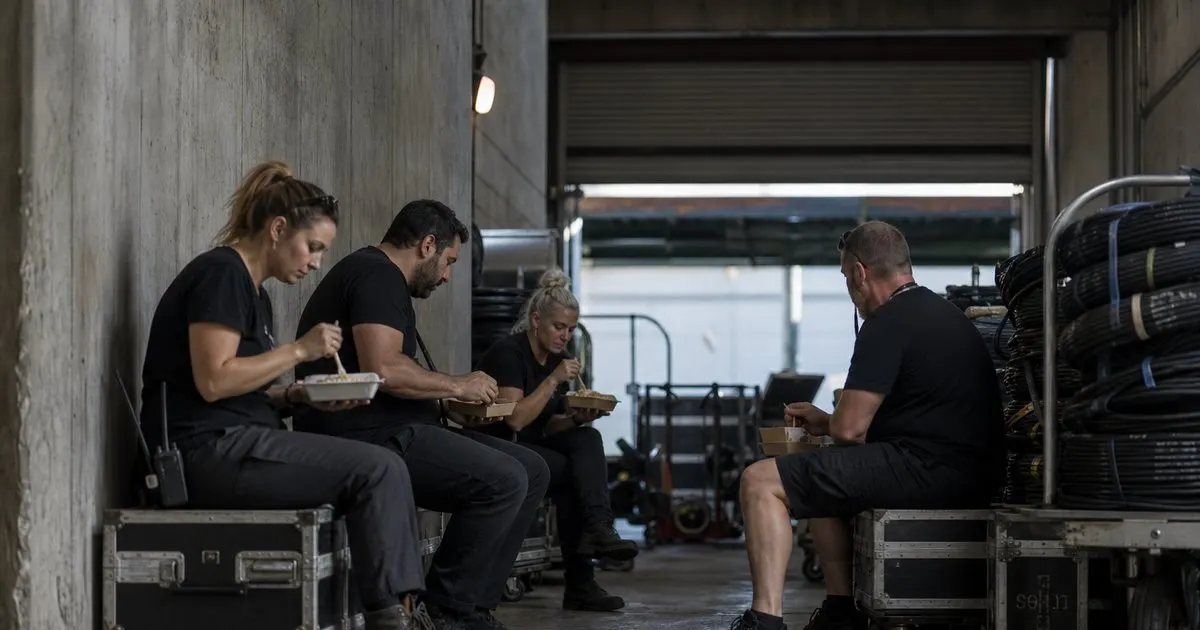
A guest facing program might run six hours. The crew day around it often runs fourteen, from the first load-in truck to the last case rolling out. Planners write the six hours in detail and carry the other eight as a vague intention: the team will eat at some point, someone will cover the door when the first coordinator leaves, we will figure out the strike crew. Those intentions are the part of the day that fails, and they fail late, when the tired decisions land on the moments that matter most.
The pattern is consistent enough that you can predict it. Errors cluster in the last third of a long day, and they cluster hardest among the people who have been standing since the early call with no real break. A missed cue at hour eleven is not a competence problem, it is a scheduling problem that was created at 6 a.m. when nobody wrote down when the audio lead would eat. Putting crew hours on the run of show does not make the day shorter, but it makes the fatigue visible while you can still staff around it.
Keep reading: How do event planners build a minute-by-minute run of show that actually keeps the day on schedule?, How can a planner share the event day timeline with every vendor so nobody works from an old version?, What is the best way to adjust an event timeline on the fly when the day is running late?. See how GigTimelinr helps you event day-of run-of-show timeline builder.
Where a Crew Meal Actually Fits in the Program
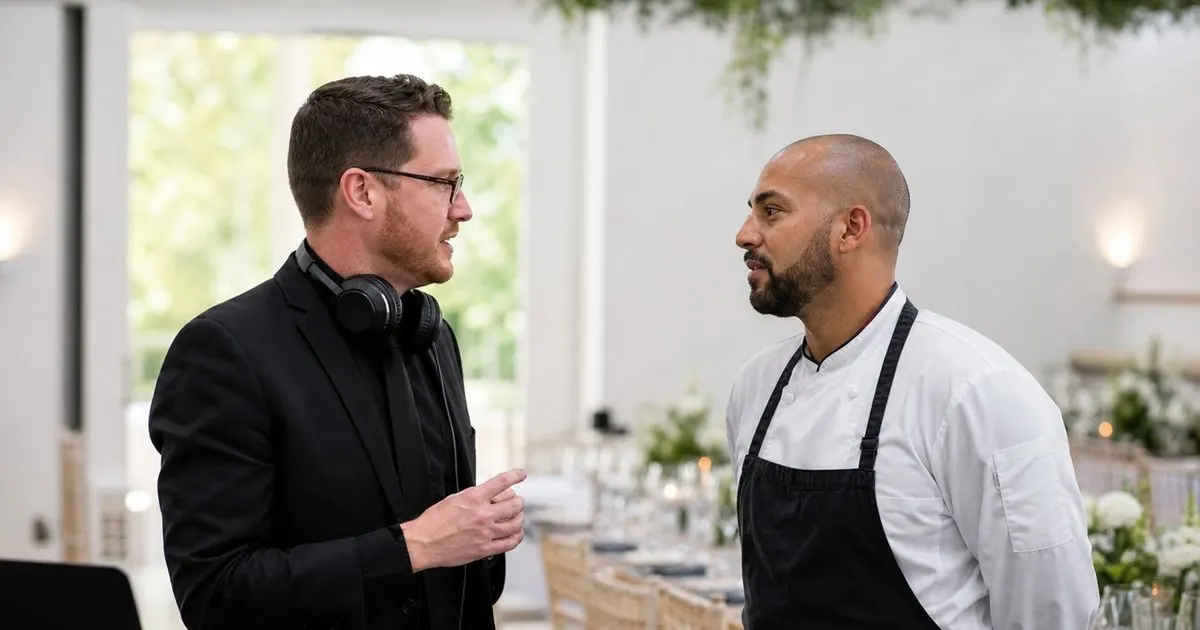
There is usually one window in an event where the room takes care of itself, and that window is the crew meal. For a wedding it is typically during dinner service, once guests are seated and the program pauses. For a conference it is often during a long keynote or a networking block. For a concert it is between soundcheck and doors. Find that window during planning, write it on the timeline with a start and end time, and tell every vendor which window is theirs. Vendors who have been fed at a sensible hour behave differently for the rest of the night, and most catering contracts will price crew meals if you ask early rather than on site. Related: How can a planner share the event day timeline with every vendor so nobody works from an old version?
Stagger the windows so the room is never uncovered. A team of eight does not eat at once, it eats in two shifts of four with a clear line about who holds the floor during each. Write both shifts. Also write where the meal happens, because a crew meal in a back hallway with no seating gets eaten standing in four minutes and does not count as a break. Give it a real room when the venue has one, and give it enough time that people actually stop moving, which in practice usually means twenty to thirty minutes rather than the fifteen everyone plans for.
A Shift Change Is a Handoff, Not a Swap
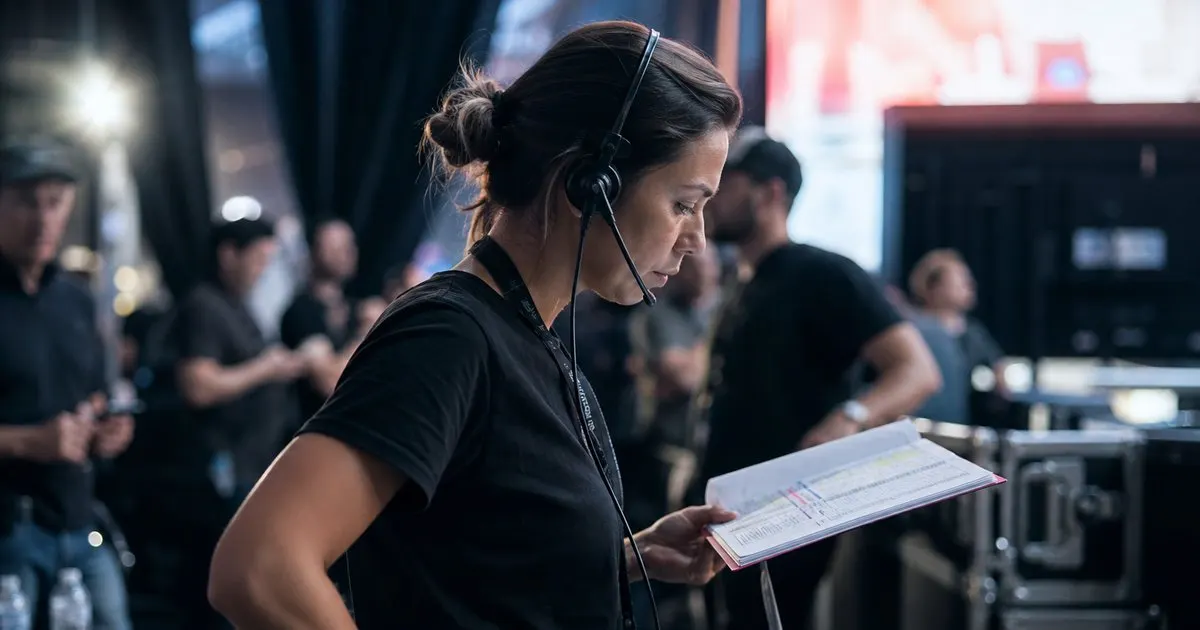
When one coordinator leaves at 6 p.m. and another takes the night, the risk is not the empty chair, it is the information that walks out the door. The departing person knows the family dynamic at table nine, that the second mic has been cutting out, that the videographer moved the toast lighting, and that the venue changed the strike deadline. None of that is on paper unless the timeline makes room for it. Put the handoff on the run of show as its own short block, typically ten to fifteen minutes of overlap, with both names on the line.
Give the handoff a fixed shape so it does not turn into small talk. We use four questions: what has already changed from the printed timeline, what is running late or at risk, who is waiting on an answer from you, and what does the next person need to decide in the first hour. Write the answers on the working copy of the timeline, not on a separate note, so the changes stay attached to the moments they affect. The same structure works for a stage manager change at a multi-day conference, and it works better than any verbal briefing because the next shift can reread it at midnight. Related: What is the best way to adjust an event timeline on the fly when the day is running late?
Write It So It Actually Happens
Crew lines belong on the same timeline as the program, not on a separate staffing sheet, because the whole value is seeing them next to each other. When the crew meal sits directly beside dinner service, you can see that pushing dinner by thirty minutes pushes the meal into the toasts and leaves the audio lead eating during the moment they are supposed to be running. That collision is obvious on one document and invisible across two. Mark crew lines clearly so they can be filtered out of the version guests or the client see, but keep them in the working copy everyone on the team uses. Related: Why should every moment in an event run of show have a clearly assigned owner responsible for it?
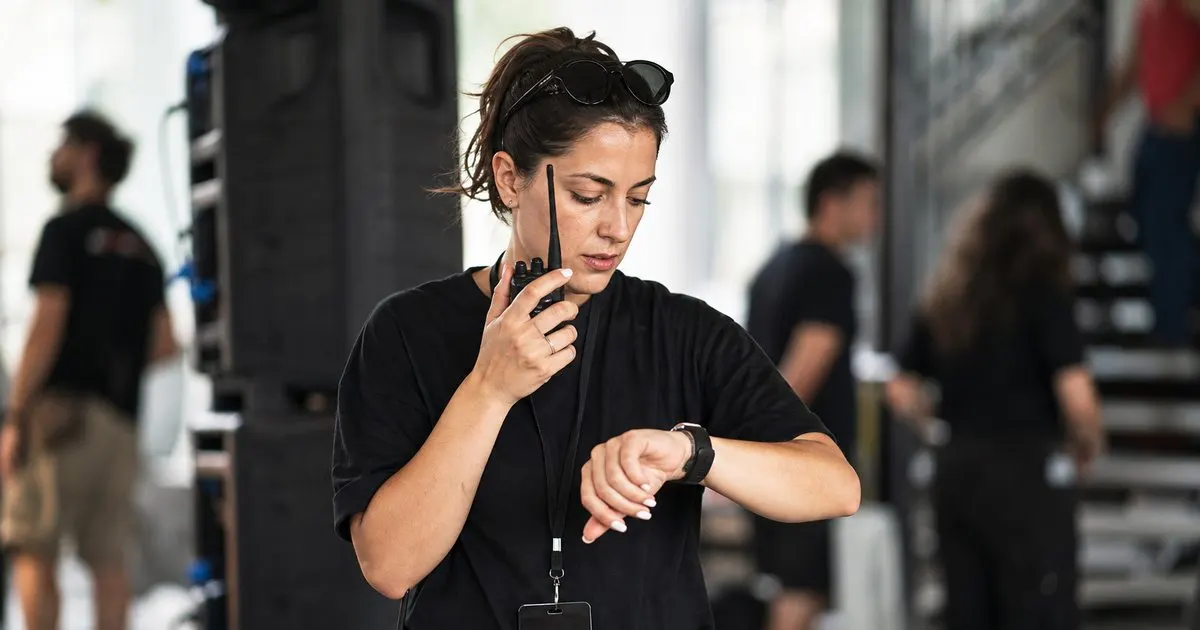
Then check the day against the real limits before you publish it. Add up each person's hours from call time to release, look at what your state, your venue, and any union or vendor agreement require for breaks and rest, and confirm that the schedule you wrote is one the crew can legally and physically work. If it is not, the fix is more people or a shorter build, not a tighter timeline. Rules vary by location and by contract, so verify yours rather than assuming, and write the resulting break times on the run of show where the leads will see them. Related: How do event planners build a minute-by-minute run of show that actually keeps the day on schedule?
- Crew hours usually run far longer than the guest program, and the unwritten hours are where long days break down.
- Find the natural quiet window in the program, write staggered meal shifts into it, and give the break a real room and real minutes.
- Make every shift change a written handoff with overlap, covering changes, risks, open questions, and first-hour decisions.
- Keep crew lines on the same timeline as the program so collisions are visible, and check the finished schedule against local and contract break rules.

Julien Jimenez
Julien Jimenez is an independent software builder based in Paris. He designs, ships, and operates focused SaaS products for small businesses and independent professionals. Read the full author page.
A run of show that holds
Event day-of run-of-show timeline builder. GigTimelinr is built to help you put this into practice.
Build your run of showMore from the GigTimelinr blog
Get the GigTimelinr playbook
Practical guides on event production, straight to your inbox as we publish them. No spam, unsubscribe any time.