Is a run of show timeline as useful for a corporate conference as it is for a wedding day?
Where minute by minute planning helps a multi session conference, and where its needs differ.
Yes. Conferences run on tight timing too, so owners, cues, and precise blocks map cleanly onto sessions, speakers, and breaks. The main difference is parallel tracks, which add rooms and schedules to coordinate at once. The core discipline of one shared, current plan serves both a wedding and a conference.

Conferences run on timing too
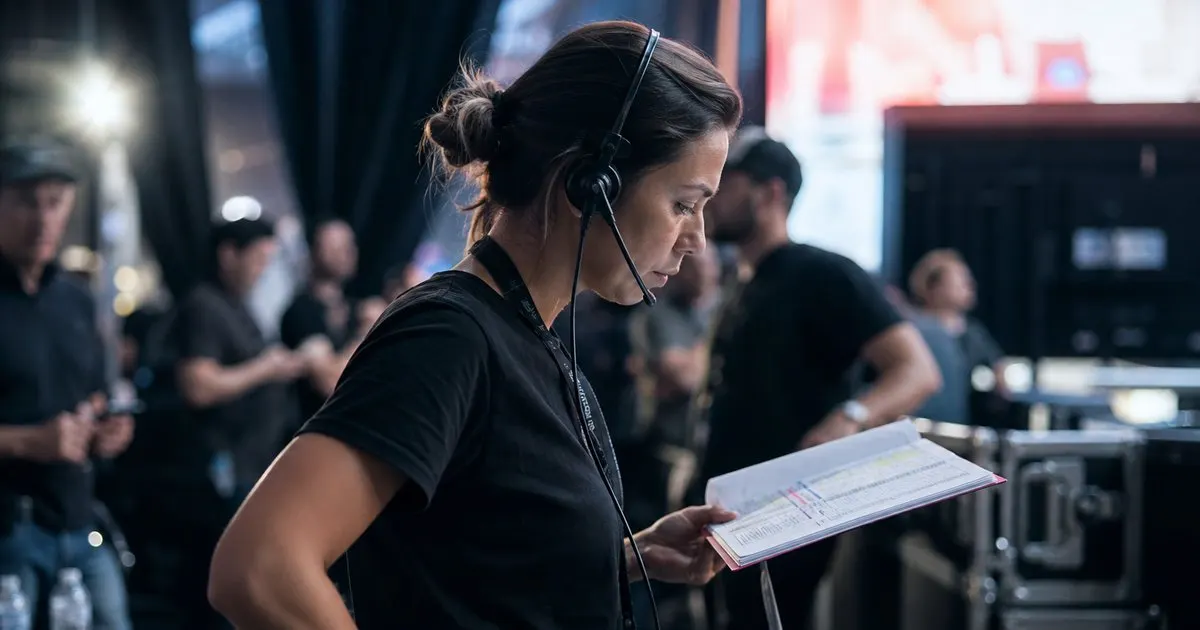
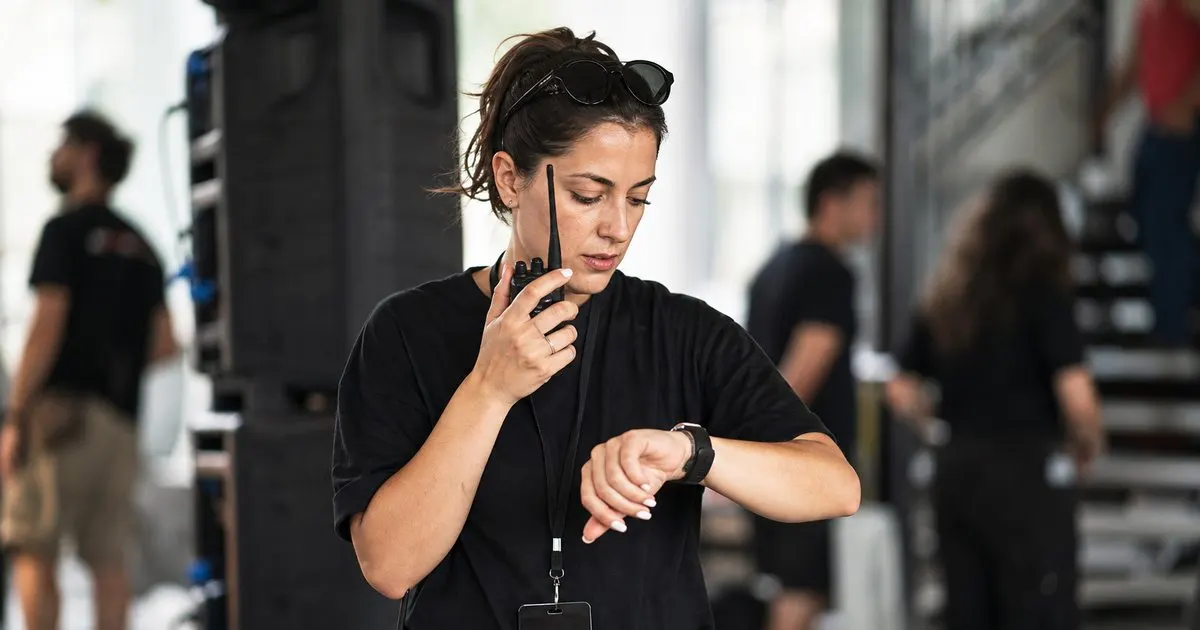
A corporate conference lives and dies by timing, with sessions, speakers, breaks, and transitions that must land precisely to fit the day.
A talk that runs long or a break that starts late ripples through the whole agenda, just as a late moment does at a wedding. Related: What details and cues should a run of show include beyond just the times for each event moment?
Keep reading: How do event planners build a minute-by-minute run of show that actually keeps the day on schedule?, How can a planner share the event day timeline with every vendor so nobody works from an old version?, What is the best way to adjust an event timeline on the fly when the day is running late?. See how GigTimelinr helps you event day-of run-of-show timeline builder.
Where it maps cleanly
The core idea, a minute by minute plan with owners and cues, applies directly to a conference, where AV, speakers, and staff all need alignment.
Assigning who owns each transition and sharing the plan keeps a large event team moving together across a packed agenda. Related: How do event planners build a minute-by-minute run of show that actually keeps the day on schedule?
Where the needs differ
A conference often has parallel tracks and more moving parts than a single wedding timeline, so the plan may need to represent several rooms.
The coordination is more complex, but the underlying discipline of a shared, current run of show is exactly what keeps it manageable. Related: How can a planner share the event day timeline with every vendor so nobody works from an old version?
The shared discipline
Whether it is a wedding or a conference, the value is the same, one shared plan that everyone follows and that updates when the day shifts.
Any event with tight timing and many contributors benefits from that discipline, which is why the run of show idea travels so well between them. Related: Why should every moment in an event run of show have a clearly assigned owner responsible for it?
- Conferences depend on precise timing too
- Owners and cues map cleanly to conferences
- Parallel tracks add complexity to manage
- The shared, current plan discipline applies to both

Julien Jimenez
Julien Jimenez is an independent software builder based in Paris. He designs, ships, and operates focused SaaS products for small businesses and independent professionals. Read the full author page.
Frequently asked questions
What makes conference timelines harder than single event ones?
Parallel sessions. When several tracks run at the same time in different rooms, you coordinate multiple schedules at once, so owners and cues matter even more.
Do the same run of show habits apply to both weddings and conferences?
Yes. Both depend on precise timing, clear ownership, and one current plan everyone follows. The format differs, but the underlying discipline of a detailed shared timeline transfers directly.
A run of show that holds
Event day-of run-of-show timeline builder. GigTimelinr is built to help you put this into practice.
Build your run of showMore from the GigTimelinr blog
Get the GigTimelinr playbook
Practical guides on event production, straight to your inbox as we publish them. No spam, unsubscribe any time.